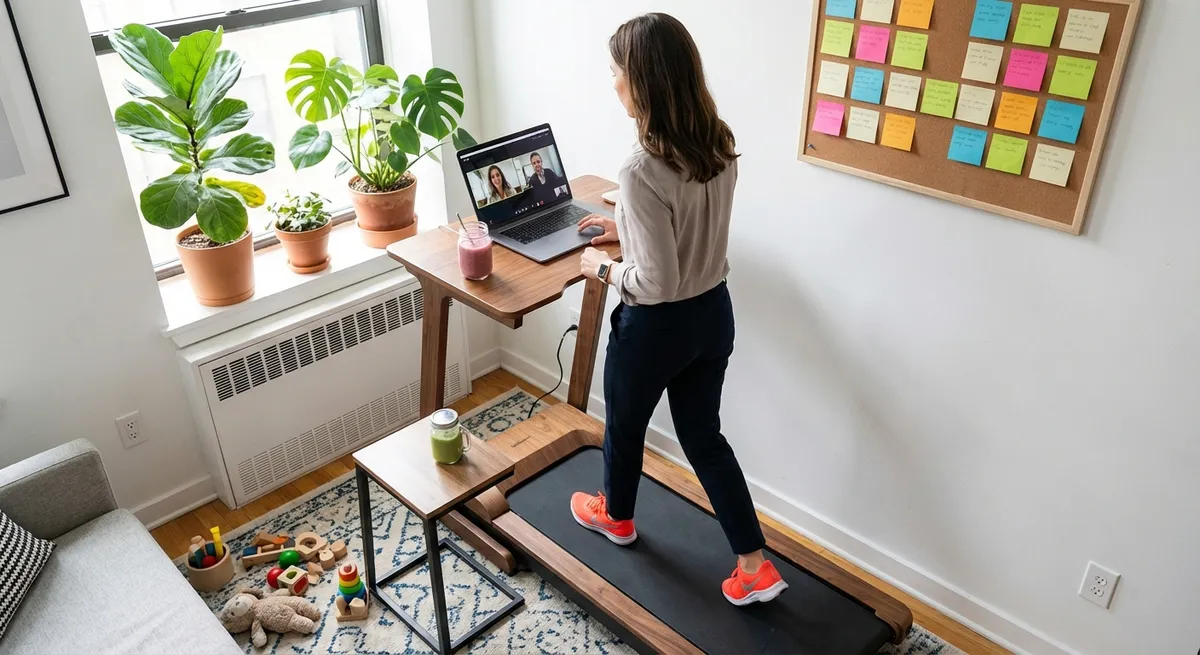
You don’t need a color‑coded workout calendar or a two-hour gym window to get fitter. You just need a few smart, sneaky tweaks that slide into the day you already have. These quick, no-drama tips help you move more, feel stronger, and boost energy—without blowing up your schedule.
Make Your Morning Non-Negotiable (But Super Short)
Lock in a tiny “wake-up” routine that happens before you touch your phone or open email. Think 3–5 minutes, not a full workout.
Pick a simple combo like: 10 bodyweight squats, 10 countertop pushups, 20 seconds of marching in place, then repeat once. Because it’s short, you’re more likely to stick with it—even on chaotic days. Over time, this mini habit tells your brain, “We move first,” which makes bigger workouts easier to add later. Keep it friction-free: no mat, no equipment, no changing clothes required. If you miss it, just drop it into your next break instead of declaring the day a failure.
Turn Commutes and Errands Into Bonus Cardio
You’re already going places—let that count. If it’s safe and realistic, walk part of your commute: get off one stop early, park at the far end of the lot, or take the stairs instead of the elevator. These “extra” steps stack up fast across a week.
If you work from home, create a “fake commute”: a 5–10 minute walk around the block before and after work. It flips your brain into “start/stop” mode and bumps your daily step count. While running errands, carry bags evenly in both hands to engage your core and upper body. None of this requires gym time, but your heart, lungs, and legs still get the message.
Upgrade Screen Time With Movement Add-Ons
You don’t have to give up shows, podcasts, or scrolling—just pair them with movement. Make a simple rule: if the screen is on, something on you is moving.
During a 20-minute show, try cycling between sitting and standing every few minutes, marching in place during ads or loading screens, or doing light stretching on the floor. On calls or podcasts, walk laps around your home or office instead of sitting. Even gentle movement helps counter long sitting spells, boosts circulation, and keeps your energy from crashing later.
Keep a “Go-To 5” Workout Ready for Crazy Days
Have one ultra-reliable, 5-minute routine you can run on autopilot when everything explodes. The key: zero thinking, zero equipment, minimal space. For example:
- 30 seconds squats
- 30 seconds standing knee lifts
- 30 seconds wall pushups
- 30 seconds glute bridges
- 30 seconds fast marching in place
Repeat once or twice if you’ve got time.
Save it on your phone’s notes app or as a screenshot so you’re never guessing what to do. This tiny “emergency workout” keeps your consistency alive when your schedule doesn’t cooperate.
Let Recovery Work While You Rest
Fitness isn’t just what you do when you’re sweating—it’s also how well your body bounces back. Small upgrades to your downtime pay off big when you’re busy.
Drink water steadily through the day so you’re not chugging late at night. Aim to move your body at least once every 60 minutes, even if it’s just standing, stretching your chest and hips, or rolling your shoulders. At night, dim screens earlier and keep a simple pre-sleep ritual (two minutes of stretching or deep breathing). Better sleep means more energy, better workouts, and fewer “I’m too tired” days.
Conclusion
You don’t need a perfect plan—you need tiny, repeatable wins that fit your real life. Tie movement to things you already do (wake up, commute, screen time), keep a quick backup workout in your pocket, and support it all with simple recovery habits. Stay consistent with these small moves, and your future self will feel the difference—without ever needing an extra hour in the day.
Sources
- Physical Activity Guidelines for Americans, 2nd edition – U.S. HHS - Official recommendations on weekly movement and how short bouts of activity add up
- CDC – Benefits of Physical Activity - Overview of how regular activity improves health, energy, and disease risk
- American Heart Association – Move More, Sit Less - Guidance on reducing sedentary time and building activity into daily life
- Harvard Health – The importance of stretching - Explains how simple stretching supports mobility and reduces stiffness
- NIH – Sleep and Health - Details on how sleep affects energy, performance, and overall health
Key Takeaway
The most important thing to remember from this article is that this information can change how you think about Fitness Tips.