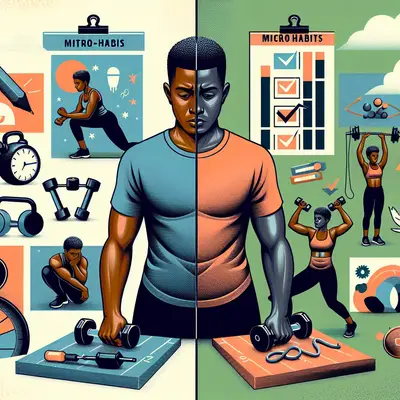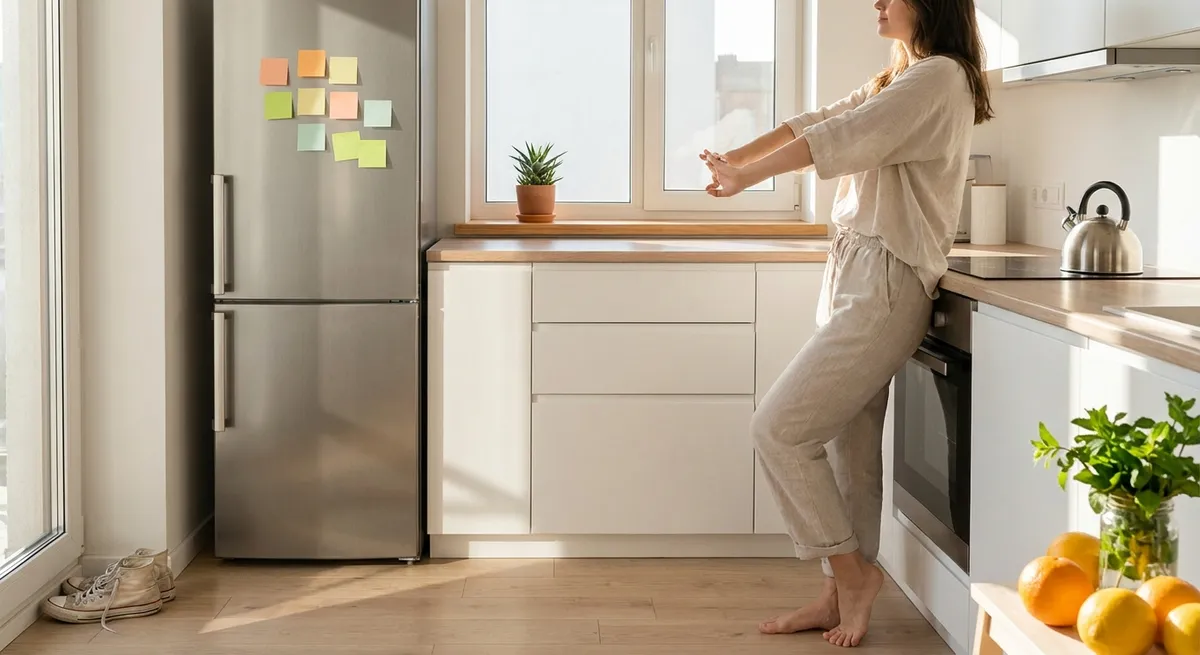
You don’t need a spare hour or a gym membership to feel more energized. Micro habits are those tiny, low-friction moves that slide into your day so easily you barely notice them—until your body and brain start buzzing with extra power. This isn’t about overhauling your life; it’s about stacking smart, 30–60 second wins that actually fit your schedule.
Let’s plug five ultra-quick fitness micro habits right into the day you already have.
The Power of “Barely Noticeable” Fitness
Micro habits work because they dodge your brain’s resistance. You’re not asking yourself to “work out for 45 minutes.” You’re asking for 20 seconds, 5 squats, or a single walk call. That feels doable, even on chaos days.
Physically, these tiny bouts still matter. Short movement breaks boost circulation, nudge your muscles out of “chair mode,” and gently raise your heart rate. That translates into better focus, fewer aches, and a subtle but real bump in daily calorie burn. Mentally, micro habits create identity-level wins: every small action is a vote for “I’m someone who moves.” Over time, those votes compound into stronger habits, better consistency, and higher energy—without the crash that comes from “all-or-nothing” fitness attempts.
Instead of chasing perfection, you’re chasing repetition. The bar is low, the wins are fast, and momentum builds almost by accident.
Micro Habit #1: The 30-Second Wake-Up Stretch Before You Touch Your Phone
Before you open your messages, scroll, or check email, give your body the first 30 seconds of your day.
Stand up beside your bed, plant your feet, and run this quick routine:
- Reach both arms overhead, inhale deeply.
- Gently lean right, then left, stretching your sides.
- Roll your shoulders slowly backward 5 times, forward 5 times.
- Finish with a light forward fold, knees soft, letting your head hang.
This simple sequence wakes up your spine, shoulders, and hips after hours of stillness. It signals your nervous system that your body, not your phone, sets the tone. Over time, this micro habit can help reduce morning stiffness, improve posture, and mentally separate “sleep mode” from “go mode.” If you’re extra rushed, trim it to a single overhead stretch and shoulder roll—still a win.
Micro Habit #2: The “Phone Loading” Squat Rule
Anytime you’re waiting on your phone—an app to load, a video to buffer, a file to upload—activate the “phone loading = squats” rule.
Here’s the move:
- Stand tall, feet shoulder-width apart.
- Sit your hips back like you’re aiming for a chair.
- Keep your chest lifted and knees behind your toes.
- Do as many controlled squats as you can until your app finishes loading (or set a quick target like 8–12 squats).
These mini sets sprinkle strength work into dead time you already hate. Hit this a few times a day and you’re quietly training your legs, glutes, and core. Over days and weeks, you’ll notice stairs feel easier, your lower body feels stronger, and you’ve added meaningful muscle activation without blocking off a single calendar slot.
If squats bother your knees, swap in calf raises (rise onto your toes and lower with control) or wall push-ups.
Micro Habit #3: Turn One Call a Day Into a Walk Call
Choose one call—work, social, or family—and make it your non-negotiable “walk call.”
How to plug it in:
- If it’s video: turn the camera off and walk laps in your home, office, or outside.
- If it’s audio only: pop in headphones and walk your block, up and down a hallway, or around your living room.
- Aim for at least 5–10 minutes of walking during that call.
This micro habit transforms something you already do (talk) into a steady, low-effort movement block. Walking boosts blood flow to your brain, often making you more alert and articulate. Stack this daily and you quietly rack up dozens of extra active minutes per week—no separate “workout time” required. If your schedule is packed, even pacing during a quick check-in call counts.
Micro Habit #4: The “Every Doorway = Posture Reset” Move
Slouching at a desk, in the car, or over your phone adds up to tight chests and cranky backs. Use doorways as built-in posture reminders.
Each time you walk through a doorway:
- Place your forearms or hands lightly on the frame at shoulder height or a bit higher.
- Step one foot forward and gently lean your chest through the doorway.
- Hold for 5–10 seconds, breathing slowly.
- Release and roll your shoulders back once.
This micro stretch opens your chest, counters the rounded “tech neck” position, and teaches your body what upright feels like again. It’s tiny, subtle, and takes less time than checking a notification. Over time, your upper body will feel more open, your shoulders less tight, and good posture will feel natural instead of forced.
If you’re in public and feel awkward, just roll your shoulders back as you pass the doorway and imagine a string gently lifting the crown of your head.
Micro Habit #5: The 60-Second Evening Core Finish Line
Before you flop onto the couch or into bed for the night, draw a tiny “finish line” with a one-minute core check-in.
Pick one of these:
- Plank hold: Forearms on the floor, body in a straight line, hold 20–40 seconds.
- Dead bugs: Lie on your back, arms up, knees bent at 90°, slowly extend opposite arm and leg, alternate for 30–60 seconds.
- Glute bridge: Lie on your back, knees bent, lift hips toward the ceiling, squeeze glutes at the top, lower and repeat for 30–60 seconds.
This micro habit gives your core and hips a last bit of attention after a day of sitting and slouching. It reinforces “I close my day with movement,” which is powerful for habit identity. A stronger core helps with everything: walking, lifting, posture, and reducing back strain. Keep it short and simple so you never feel tempted to skip it.
Conclusion
Micro habits aren’t about intensity; they’re about consistency that actually survives real life. A 30-second stretch here, a handful of squats there, a short walk during a call, a doorway reset, and a one-minute core finish line can completely change how your day feels—without asking for more time than you already have.
You’re not waiting for the “perfect” day to start a new routine. You’re quietly upgrading the one you’re already living.
Sources
- Centers for Disease Control and Prevention (CDC) – Physical Activity Basics - Overview of why even short bouts of physical activity support health
- Harvard Health Publishing – The truth about 10,000 steps a day - Explains benefits of accumulating movement across the day
- Mayo Clinic – Stretching: Focus on flexibility - Details on how simple stretching routines can improve mobility and reduce stiffness
- American Council on Exercise (ACE) – Deskercise: 20 Ways to Get Moving While You Work - Practical examples of micro movement during busy schedules
- American Heart Association – How Much Physical Activity Do You Need? - Recommendations showing that activity can be accumulated in short segments
Key Takeaway
The most important thing to remember from this article is that this information can change how you think about Micro Habits.