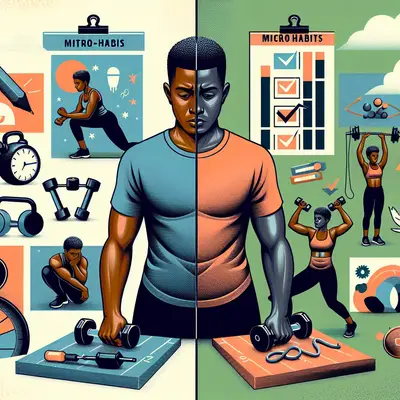
Busy? Perfect. Micro habits are built for people who don’t have a “fitness window” on their calendar. These are tiny, repeatable moves that slide into your day without needing workout clothes, gym time, or motivation theatrics—just small, smart choices that quietly stack up into real results.
Why Micro Habits Beat “All-Or-Nothing” Workouts
Big fitness plans often fail because they crash into real life: meetings run long, kids need rides, and dinner doesn’t cook itself. Micro habits go under the radar. They’re intentionally tiny, so your brain can’t talk you out of them.
The magic is repetition. A 30-second move, done 8–10 times a day, can rival one longer workout in total activity. These small bursts can boost blood flow, sharpen focus, and cut long sitting time, which is linked to higher risks of heart disease and metabolic issues—even if you “work out” later. Instead of waiting for a perfect hour, you’re turning your entire day into a low-key training ground. No drama, no big restart; just micro moves that keep you in motion.
Tip 1: The “Call-and-Walk” Rule
If your phone is in your hand, your feet should be moving. That’s the rule.
Pace during phone calls, walk the hallway during voice messages, or stroll your living room while catching up with friends. This sneaky habit can rack up thousands of extra steps per week without “going for a walk.” If you work from home, pair every daily meeting with a minimum number of laps (e.g., five laps around your living room or office per call). Over time, your brain links “phone = walking,” turning passive screen time into automatic movement time.
Tip 2: Desk-Edge Strength Mini-Set
Turn your desk into a micro gym—no sweat, no equipment change.
Once every hour, do a 30–60 second strength burst using just your desk or chair:
- Desk push-offs (incline push-ups)
- Chair squats (stand-sit-stand without using your hands)
- Seated leg extensions (straighten and hold each leg for 10–20 seconds)
These moves lightly work major muscle groups (arms, legs, glutes, core) and break up long sitting blocks. The sets are so short you can squeeze them in while waiting for a file to load or between emails. Micro strength work keeps muscles “switched on,” supports posture, and can help maintain strength even when you’re too busy for the gym.
Tip 3: Habit Hitchhiking: Add 10 Seconds to What You Already Do
Instead of inventing new routines, attach movement to stuff you already do.
Pick daily anchors:
- Brushing your teeth
- Waiting for coffee to brew
- Microwave countdowns
- Logging into your computer
- Toothbrushing = heel raises until you’re done
- Coffee brewing = wall sit or gentle marching in place
- Microwave timer = 10 countertop push-ups
- Startup screen = 20 seconds of standing twists
Now “hitchhike” a tiny move onto each one:
You’re not finding time—you’re upgrading time that already exists. The moves are simple, low-intensity, and repetitive, which makes them absurdly easy to keep doing.
Tip 4: The 1-Song Activity Upgrade
Pick one song per day and commit: while this song plays, my body moves.
It doesn’t have to be a “workout” song or a perfect vibe. Any 3–4 minute track works. During that song you can:
- March, step-touch, or dance in your kitchen
- Do light mobility (arm circles, hip circles, torso twists)
- Alternate 20 seconds of brisk movement with 20 seconds easy
A single song feels too short to skip, yet long enough to wake up your body, loosen stiff joints, and clear brain fog. On busy days, that one song might be your entire intentional movement session—and that still counts. On easier days, that song often snowballs into “just one more.”
Tip 5: Micro Cooldowns Instead of Giant Comebacks
Instead of waiting for a huge “I’m back on track” workout, build 30–90 second cooldowns into your day.
A few options:
- After finishing a task: stand up, roll shoulders, and do 5 slow breaths
- After a stressful call: walk a quick lap and stretch chest and hip flexors
- Before bed: 60 seconds of gentle hamstring or calf stretches
These micro cooldowns ease tension, calm your nervous system, and make your body feel better tomorrow—which makes it easier to move again. Recovery isn’t just for athletes; it’s how busy people stay consistent. When your body doesn’t feel wrecked, you’re far more likely to keep your tiny habits going.
Conclusion
You don’t need a flawless routine; you need moves so small they’re almost impossible to skip. Walk when you talk, use your desk as a mini gym, hitch movement to daily tasks, play one “movement song” a day, and sprinkle in micro cooldowns. Tiny, repeatable actions—done in the background of your real life—are what quietly turn “too busy” into “actually active.”
Sources
- American Heart Association – Recommendations for Physical Activity - Guidelines showing how even short bouts of activity contribute to heart health
- Centers for Disease Control and Prevention – Physical Activity and Health - Overview of how regular movement benefits overall health, even at modest levels
- Harvard Health Publishing – The Dangers of Sitting - Explains health risks of prolonged sitting and why frequent movement breaks matter
- Mayo Clinic – Exercise: 7 Benefits of Regular Physical Activity - Describes how consistent activity supports energy, mood, and disease prevention
- National Institutes of Health – High-Intensity vs. Intermittent Activity - Research discussing how accumulated short bouts of activity can improve fitness and metabolic health
Key Takeaway
The most important thing to remember from this article is that this information can change how you think about Micro Habits.