You don’t need a complete life overhaul to get fitter—you need tiny moves that sneak into the day you already have. Think 30 seconds here, 90 seconds there, stacked like Lego bricks. This is the magic of micro habits: so small they’re impossible to say no to, but powerful enough to change how your body feels by Friday.
Let’s turn your “I’m too busy” schedule into a stealth fitness plan with five micro habits you can plug in today.
Why Micro Habits Beat “All or Nothing” Workouts
Micro habits are super small, repeatable actions that demand almost zero motivation and willpower. Instead of psyching yourself up for a 60-minute workout you’ll probably skip, you design 30–90 second moves that fit inside what you’re already doing: checking emails, boiling water, joining Zoom calls, brushing your teeth.
Science backs this up. Even short bouts of movement scattered through the day can improve blood sugar, reduce blood pressure, and boost overall activity levels. Researchers call it “exercise snacks”—tiny bursts of effort that add up like compound interest. First, your body wins (better energy, less stiffness). Then your brain wins (confidence from actually sticking to something). And once you feel even a little better, bigger habits suddenly don’t feel so impossible.
The key: make it so small you’d feel silly saying no.
Tip 1: Attach One Move To Your Morning Non-Negotiable
Don’t create a new routine. Hijack an existing one.
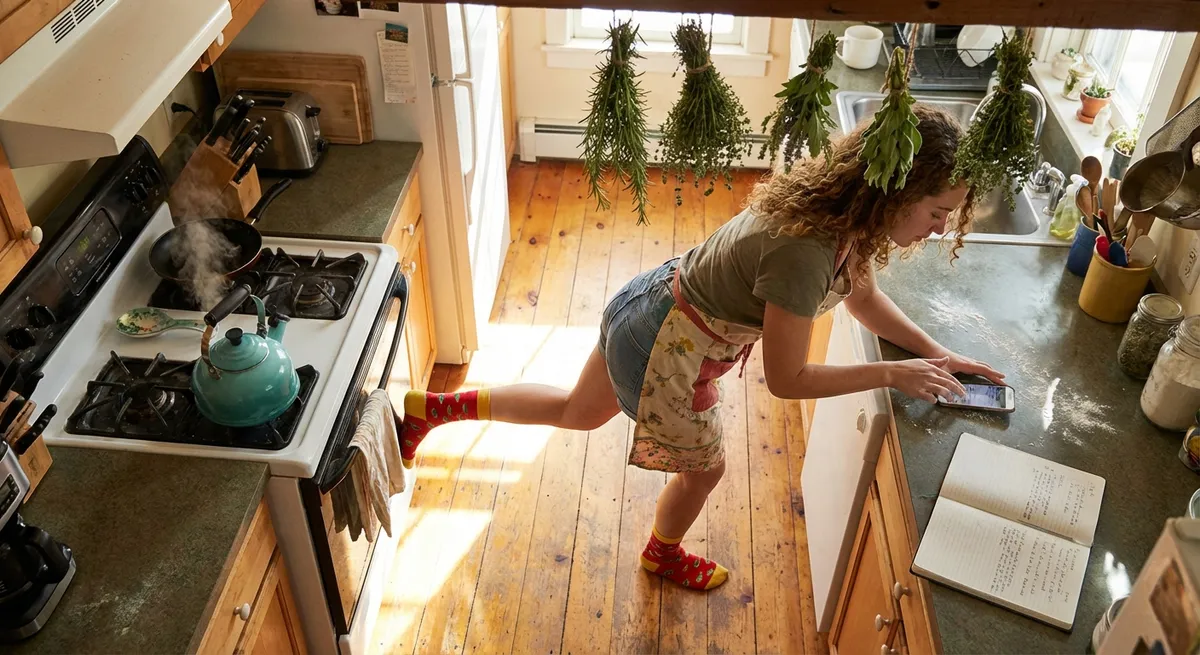
Pick something you do every single morning: turn on the coffee maker, start the shower, or open your laptop. Attach one micro habit to it, every time, no exceptions. For example, every time you start the coffee machine, do 15–30 countertop push-ups while it brews. Every time you open your laptop, do 15 standing calf raises. Tie the move to the trigger, not to the clock.
This works because your brain loves patterns. Over a week, that’s dozens of hidden reps without blocking a single calendar slot. Bonus: by tying movement to something you already want (coffee, hot shower), your brain starts to see the habit as part of the reward, not extra effort.
Tip 2: Turn Every Wait Into a 60-Second Strength Break
You wait more than you think: microwaving food, loading files, waiting for rides, standing in line. Instead of doom-scrolling, make “If I’m waiting, I’m moving” your new default.
A few options you can do almost anywhere:
- Wall sit while you wait for the microwave or kettle
- 60 seconds of slow squats while a file uploads
- Standing glute squeezes or heel raises in line (no one even notices)
- Light torso twists while you wait for a meeting to start
These mini strength breaks fight stiffness, wake up sleepy muscles, and nudge your daily movement up without extra planning. Over a day, these hidden minutes can rival a full workout—without ever changing clothes.
Tip 3: Use the 3-Call Rule To Unlock Micro Cardio
Every time you finish three calls or meetings, you earn a 90-second cardio burst. It’s not a “workout,” it’s a reset button.
Ideas you can do at home or in the office:
- March in place with high knees for 60–90 seconds
- Climb stairs (or step on/off a single step) at a brisk pace
- Do fast but controlled shadow boxing in place
- Do quick “walk the hallway and back” laps if you’re in an office
Short, frequent bouts of movement like this help counteract the metabolic effects of sitting all day and can bump up your heart health. Tie it to something predictable (like call #3, #6, #9) and you’ll move more without thinking about “fitting in cardio.”
Tip 4: Make Screens Your Cue for Mobility, Not Slouching
Screens aren’t going anywhere, so put them to work for you.
Every time you hit play—YouTube, Netflix, TikTok, Reels—make the first minute a movement minute. You’re allowed to watch, but you must be moving for the opening 60 seconds. After that, sit however you want.
Easy screen-friendly moves:
- Neck rolls and shoulder circles to undo desk tension
- Seated or standing hamstring stretches
- Gentle cat-cow (on the floor) during longer videos
- Ankle circles and toe taps if you’re on the couch
This tiny rule slowly rewires “screen time = still time” into “screen time = stretch time,” which can ease stiffness and help with posture without banning your favorite shows.
Tip 5: End Your Day With a “Floor or Door” Micro Routine
Your end-of-day ritual is prime real estate for a habit that actually sticks. Use the “Floor or Door” rule: when you brush your teeth or turn off the bedroom light, you must either hit the floor or use the door for one micro move.
Examples:
- Floor: 20–30 seconds of plank, 10 slow glute bridges, or 10–15 crunches
- Door: 20–30 seconds of doorway chest stretch, 10 standing leg swings per leg, or a gentle calf stretch
This does two big things: it gives your body a final posture reset after a long day, and it creates a “I don’t break the chain” moment that builds identity (“I’m someone who moves every day”) instead of just counting workouts. That tiny identity shift is what keeps your momentum going next week and next month.
Conclusion
You don’t need perfect plans, matching outfits, or a free hour. You need handfuls of tiny, repeatable moves that ride on top of the life you already have. Attach one habit to your morning, one to waiting, one to calls, one to screens, and one to bedtime, and you’ve quietly turned your entire day into a fitness assist.
Pick just one tip from this list and start it today. Once it feels automatic, stack another. Micro habits are small on purpose—so the results don’t have to be.
Sources
- Harvard T.H. Chan School of Public Health – Physical Activity and Health – Overview of how different types and amounts of movement benefit health
- American Heart Association – Move More for Heart Health – Guidance on fitting activity into a busy day and why even short bouts matter
- Centers for Disease Control and Prevention – Physical Activity Basics – Recommendations for adults and benefits of regular movement
- McMaster University – “Exercise Snacks” Study Summary – Research on short bursts of exercise improving cardiometabolic health
- Mayo Clinic – Fitness: Tips for Staying Motivated – Strategies for building sustainable, consistent activity habits
Key Takeaway
The most important thing to remember from this article is that this information can change how you think about Micro Habits.