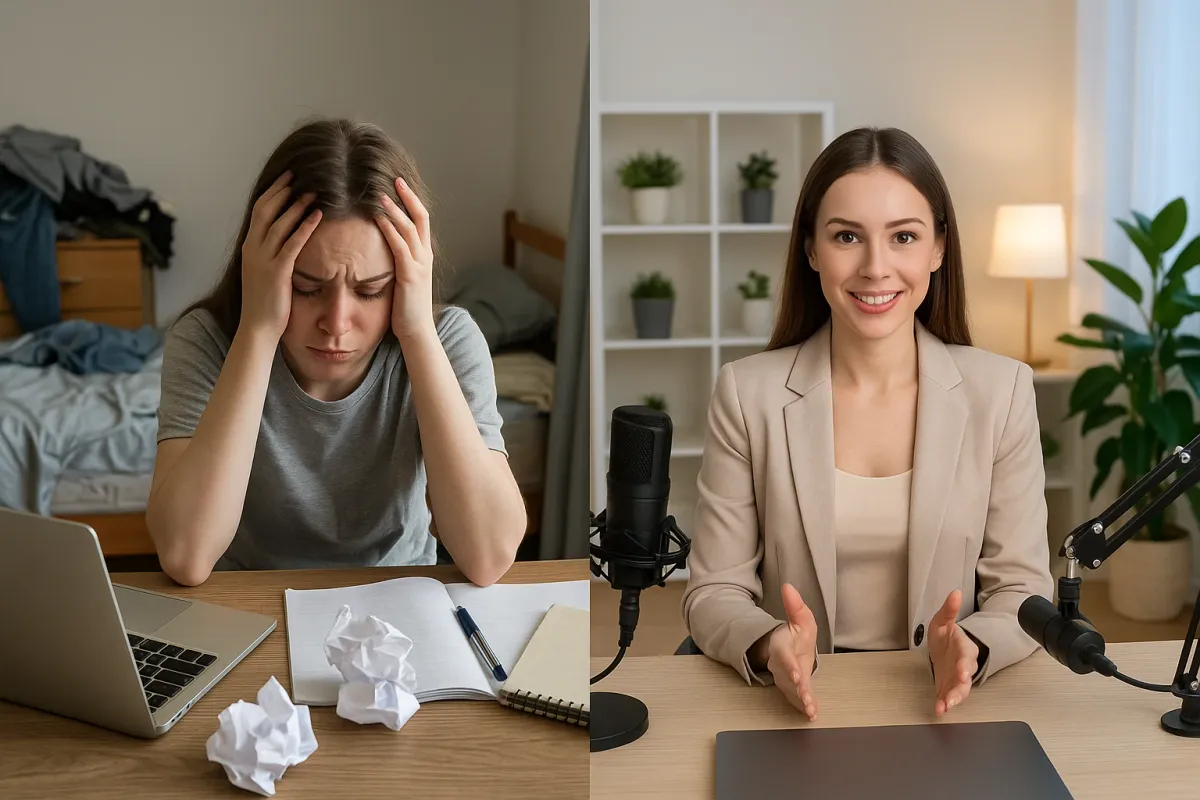
Everyone’s posting those “How it started vs. how it’s going” pics again—and it’s not just careers and relationships. Fitness glow-ups are all over X, Instagram, and Reddit threads inspired by that viral meme format. Instead of just scrolling through other people’s progress shots, this is your sign to start building your own screenshot-worthy transformation—even if you’re slammed with work, kids, and life.
Inspired by the ongoing “feel-good progress” trend from Reddit and social media, let’s steal that energy and apply it to your body, mood, and daily habits. You don’t need a 90‑minute gym block; you need smart, tiny moves that stack up fast.
Below are five ultra-time-efficient fitness tips designed to turn your real life into a “How it started vs. how it’s going” success story.
Make Your Commute a Mini-Workout, Not Just Dead Time
You see people online flexing marathon medals; meanwhile, your daily marathon is the commute or school run. Use it. If you take public transit, get off one stop early and power-walk the rest at a pace where talking feels slightly tough. That 8–10 minutes, twice a day, quietly turns into more than an hour of cardio a week—without “finding time” for a workout.
Driving? Park at the far end of the lot and walk briskly in. Working from home? Build a “fake commute”: a 10‑minute lap around the block before and after work. This mirrors what productivity nerds on Reddit swear by—rituals that separate home and work—but you get a step count boost too. Track it on your smartwatch or phone; seeing that chart rise is your real-life progress screenshot.
Turn Scroll Time into Core Time
Social feeds are flooded with memes, Disney AI edits, and “cursed comments”—you’re scrolling anyway, so make your body earn the entertainment. Every time you open X, Instagram, or TikTok, drop into a 30–60 second plank or do 15 bodyweight squats while your video loads. Keep your phone at eye level so you’re not craning your neck down, and set a simple rule: first 60 seconds of each scroll session = move.
This tiny habit slots into a behavior you already do a dozen times a day. Over time, you’ll sneak in several minutes of core and leg work daily with zero extra scheduling. Think of it like adding a positive “comment” to your body under every post you consume—the algorithm might not care, but your posture and energy absolutely will.
Use “Waiting Time” as Your Strength Lab
Standing in line, waiting for your Uber, supervising homework—this is prime “micro-set” territory. Social media loves before-and-after muscle pics, but those are built on boring, consistent reps, not epic gym sessions. While you’re waiting for the kettle to boil or pasta to cook, do slow countertop push-ups or wall push-ups. On work calls where you’re just listening, stand up and do calf raises or glute squeezes.
Waiting for a file to load or a meeting to start? Chair squats: stand up and sit back down without using your hands, 10–15 reps. These moves feel almost too small to matter, but done multiple times a day, they build real strength. Your “how it started” photo can literally be you slouched over your kitchen counter; “how it’s going” is you casually cranking out push-ups there six weeks later.
Anchor Movement to Daily “Non-Negotiables”
One thing those feel-good Reddit stories all share: someone changed a tiny daily choice and kept it. You can copy that: attach a 2–5 minute movement burst to habits you already never skip. After brushing your teeth at night, do a quick routine: 10 squats, 10 lunges (total), 10 push-ups from your knees or against a wall, and 20 seconds of fast high-knees. That’s under three minutes.
In the morning, anchor movement to your coffee: while it brews, do a light mobility circuit—arm circles, hip circles, and gentle torso twists. These “anchors” work because you’re not relying on motivation; you’re piggybacking on habits your brain already runs on autopilot. Over time, your identity shifts from “I never have time” to “I always move when I brush my teeth / make coffee.” That mental reframe is the secret engine behind every real transformation story online.
Make Your Environment Do the Heavy Lifting
Those “obsolete things” posts remind us how fast habits and tools change. Use that same mindset with your home setup: small environment tweaks can auto-upgrade your daily activity. Keep a resistance band on your desk chair so it literally brushes your hand, nudging you to do 1–2 sets of rows or pull-aparts between emails. Store a kettlebell or dumbbell where you binge shows; every episode break, knock out 10–15 deadlifts or overhead presses.
If you work at a laptop, raise it so you can alternate between sitting and standing (stacked books are fine—no fancy desk needed). Set a 25‑minute timer (Pomodoro style); when it dings, stand, stretch your hip flexors, and walk a quick lap. Shaping your space like this removes decision fatigue. You’re not asking, “Should I work out?”—you’re just responding to what’s right in front of you. That’s how tiny tweaks become shareable transformation moments.
Conclusion
Your fitness “How it started vs. how it’s going” doesn’t need a dramatic bootcamp montage or a 5 a.m. club. It just needs dozens of sneaky, smart choices that fit inside the life you already have. Turn your commute into cardio, your scroll into core, your waiting time into strength work, your daily rituals into anchors, and your home into a silent coach.
Start with one tip today—just one—and give it seven days. Take a quick mirror selfie now, then another in a month. That side‑by‑side might be the next feel-good progress story everyone double-taps… and this time, it’s yours.
Key Takeaway
The most important thing to remember from this article is that this information can change how you think about Fitness Tips.