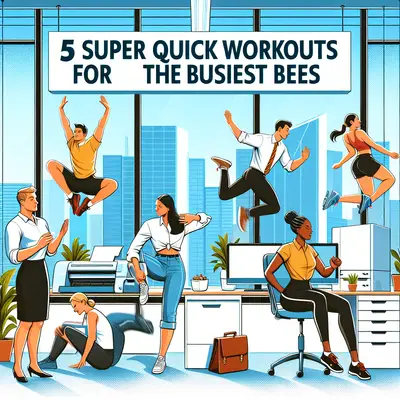
You don’t need a clear calendar or a full gym session to get real results. You just need smart moves that slide into the cracks of your day. Think: short bursts, big payoff, zero drama. This is your crash course in quick workouts that actually fit your life—not the other way around.
Why Quick Workouts Still Count (A Lot)
Quick doesn’t mean “fake fitness.” Your body responds to intensity and consistency way more than it cares about long, drawn-out sessions. Short bouts of movement scattered through the day can boost your heart health, sharpen your focus, and upgrade your mood—without leaving you drenched in sweat or scrambling for a shower.
Research shows you can break exercise into small chunks over the day and still hit meaningful health targets. Those mini sessions can improve blood sugar, circulation, and overall energy, especially if you sit a lot. Translation: your walk between meetings plus a 5-minute strength burst absolutely counts. Once you stop waiting for the “perfect time” and start using the time you already have, fitness stops feeling like a chore and starts feeling like a cheat code.
Quick Tip #1: Turn Waiting Time Into Movement Time
If you’re standing, you can be training. Waiting for coffee to brew, subway to arrive, or food to reheat? That’s bonus workout time hiding in plain sight.
Pick one “waiting move” and make it your go-to:
- Counter push-ups in the kitchen
- Standing calf raises while you microwave lunch
- Slow squats while you brush your teeth
- Side leg lifts while you’re on hold
Anchor one move to one daily wait—same task, same motion, every time. No decision fatigue, no overthinking, just automatic movement. You’ll start collecting sneaky reps without ever opening a workout app.
Quick Tip #2: Use the 3-Minute Energy Reset
When your brain fogs over or the midday crash hits, don’t reach for a third coffee—hit a 3-minute body reset. Short, sharp movement spikes circulation and wakes up your nervous system faster than caffeine.
Try this simple 3-minute circuit:
- 30 seconds brisk marching in place or fast walk
- 30 seconds bodyweight squats
- 30 seconds wall push-ups
- 30 seconds standing knee raises
- Repeat once
Keep the pace brisk but comfortable. You’re aiming for “slightly out of breath, still able to talk.” Do this between calls, before big meetings, or whenever your energy flatlines. Over a week, those micro bursts stack into serious movement minutes.
Quick Tip #3: Attach Exercise to a Non-Negotiable Habit
The easiest way to stay consistent? Hitch your workout to something you already do every single day. No calendar invite, no reminder app—just pure piggybacking.
Pick one daily anchor:
- After you wake up
- Before your morning shower
- Right after you close your laptop for the day
- Immediately after dinner dishes
- 10 squats
- 10 wall or counter push-ups
- 10 glute bridges on the floor or bed
Then add a tiny, repeatable routine—same time, same place:
That’s your “minimum dose.” If you feel good, you can always do a second round. If not, you’ve still checked the box. Over time, this becomes as automatic as brushing your teeth.
Quick Tip #4: Make Screens Work for (Not Against) You
You’re already scrolling, streaming, or zooming—use it. Link movement to screens so you train with your tech instead of fighting it.
Some fast upgrades:
- Streaming rule: every episode = 1 movement break. Pause before the show starts or at the midway point for 2–3 minutes of lunges, planks, or marching in place.
- Scroll rule: each time you open social media, do 10 of something first—10 squats, 10 desk push-ups, or 10 jumping jacks (if space allows).
- Meeting rule: for any audio-only call, stand up. Add light marching or calf raises while you talk.
You’re not cancelling your screen time—you’re just charging a tiny “movement fee” that pays you back in strength and energy.
Quick Tip #5: Use Micro Strength Moves to Beat the Slump
Strength work doesn’t need dumbbells, a bench, or 45 dedicated minutes. You can build real muscle tone with fast, focused sets dropped into your day—especially big muscle groups like legs, glutes, and core.
Try this “anywhere strength stack”:
- Glutes: 10–15 chair squats (sit, stand, repeat)
- Core: 20–30 seconds of a standing plank against a wall or desk
- Upper body: 10–15 wall or counter push-ups
Rotate this stack 1–2 times a day when you feel yourself slumping at your desk or drooping in the afternoon. It’s enough to wake up your muscles, support better posture, and make everyday stuff—stairs, groceries, long days—feel easier.
Conclusion
Quick workouts aren’t the backup plan; they’re the realistic plan. When you start mining your day for tiny pockets of movement—waiting times, screen times, energy dips—you stop needing “perfect conditions” to stay active. Pick one of these tips, start today, and let your fitness ride shotgun with your real life instead of battling it.
Sources
- Physical Activity Guidelines for Americans - U.S. Department of Health and Human Services recommendations on how much and what types of activity support health
- High-Intensity Interval Training: A Review - Research review on the benefits of shorter, more intense exercise sessions
- The Benefits of Standing and Moving More - CDC overview of how even light activity breaks up sedentary time and improves health
- Exercise Snacks: A Novel Approach to Increase Physical Activity - British Journal of Sports Medicine article on short, frequent bouts of exercise throughout the day
- ACSM Recommendations for Physical Activity - American College of Sports Medicine guidance on flexible ways to meet activity targets
Key Takeaway
The most important thing to remember from this article is that this information can change how you think about Quick Workouts.